
Food Preparedness for Real Life
Food preparedness is often misunderstood. Many people imagine long-term survival food, buckets in the garage, or meals they would never normally eat. In reality, the most effective food preparedness strategy is simple, familiar, and already part of daily life.
Real food readiness isn’t about changing how you eat during a crisis. It’s about continuing to eat normally when access changes.
Why Everyday Food Preparedness Works
Most real-world disruptions don’t involve total food shortages. Instead, they show up as:
-
Closed or crowded grocery stores
-
Delayed deliveries
-
Limited selection on shelves
-
Temporary supply chain interruptions
In these situations, the goal isn’t survival rations. It’s continuity—being able to cook meals you already know, with ingredients you already use.
That’s why everyday food preparedness works better than extreme stockpiling.
Rotation Over Stockpiling
Food that sits untouched eventually expires. Food that rotates naturally stays fresh, familiar, and useful.
A rotational approach means shelf-stable foods are:
-
Used regularly
-
Replaced gradually
-
Integrated into normal meals
When preparedness foods are part of your routine, there’s no learning curve during disruptions. No stress. No wasted money.
Preparedness improves when food storage supports your lifestyle instead of fighting it.
Preparedness for Short Disruptions
Most people don’t need months of food. What they need is buffer time.
A few extra days or weeks of familiar ingredients can cover:
-
Storm-related closures
-
Transportation delays
-
Power outages
-
High-demand periods
Food preparedness grounded in reality emphasizes flexibility and familiarity—not novelty foods or extreme quantities.
Storage as a Simple System
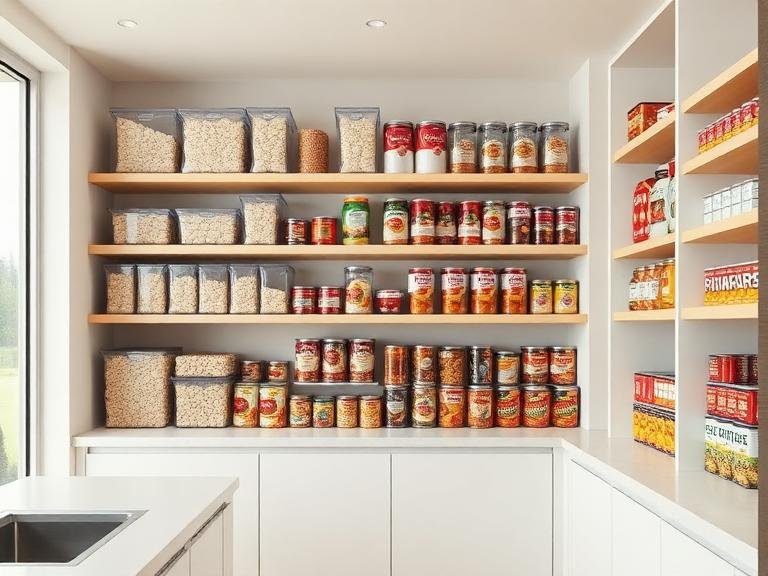
Good food storage isn’t about volume. It’s about organization and visibility.
Clear containers, labels, and realistic quantities help prevent:
-
Spoilage
-
Pest issues
-
Forgotten inventory
-
Buying duplicates
When you know what you have and actually use it, food storage becomes calming instead of overwhelming.
Preparedness should reduce stress, not add another task to manage.
What Food Readiness Actually Looks Like
Real-life food preparedness looks unremarkable:
-
You cook the same meals
-
You shop the same foods
-
You just have a little more margin
When access changes, your habits don’t have to.
That’s the point.
The Takeaway
Food preparedness isn’t about eating differently when things go wrong.
It’s about eating normally when access changes.
The best food preparedness plan:
-
Rotates naturally
-
Matches your diet
-
Requires no special effort
-
Works quietly in the background
At Ready Ledger, preparedness is about systems that fit real life.
If it looks boring—and still works—you’re doing it right.