
Staying Ready When Care Is Limited
Medical preparedness is not about practicing medicine.
It is about maintaining stability when access to healthcare becomes delayed, limited, or disrupted. It focuses on continuity, awareness, and sound judgment during periods when normal systems are strained.
Most medical challenges during disruptions are not dramatic emergencies. They are routine issues made worse by delays, shortages, or uncertainty. Missed medications, unmanaged pain, untreated minor injuries, or lack of clear information are often what turn manageable situations into serious problems.
Preparedness exists to prevent those gaps.
What Medical Preparedness Actually Means
Medical preparedness begins with understanding personal and household health needs and reducing points of failure in everyday care.
This includes:
-
Consistent management of chronic conditions
-
Reliable access to essential medications
-
Proper storage and rotation of medical supplies
-
Clear documentation of health information
-
Realistic expectations about what can and cannot be handled safely
Preparedness is not about acquiring advanced tools or learning complex interventions. It is about ensuring that routine care can continue as smoothly as possible when systems are under pressure.
For individuals who rely on daily medications, medical devices, or ongoing treatment, even short disruptions can create immediate risk. Running out of medication, losing access to refills, or storing supplies improperly can escalate quickly.
Medical preparedness focuses on prevention, not reaction.
Continuity Is More Important Than Capability
The central goal of medical preparedness is continuity of care.
Not intervention.
Not improvisation.
Not replacing professionals.
Continuity means planning for delays, interruptions, and reduced access so that health remains stable while help is sought or restored.
Continuity includes:
-
Maintaining a buffer of essential medications when possible
-
Tracking refill timing and expiration dates
-
Understanding how care is normally accessed and what alternatives may exist
-
Keeping critical health information accessible rather than relying on memory
When healthcare access becomes limited, continuity reduces stress and prevents rushed decisions. It allows time for options, communication, and safe escalation when necessary.
Preparedness buys time. Time protects outcomes.
Managing Medications Responsibly
Medication management is one of the most important aspects of medical preparedness.
This involves:
-
Keeping an up-to-date list of medications, dosages, and schedules
-
Understanding basic storage requirements
-
Rotating medications to avoid unnecessary expiration
-
Planning ahead for refill timing rather than waiting until supplies are low
Many disruptions do not eliminate healthcare access entirely. They delay it. Planning for those delays helps prevent missed doses, abrupt discontinuation, or unsafe substitutions.
Preparedness does not mean stockpiling or hoarding. It means thoughtful, lawful, and organized planning within normal systems.
Practical First Aid for Real Situations
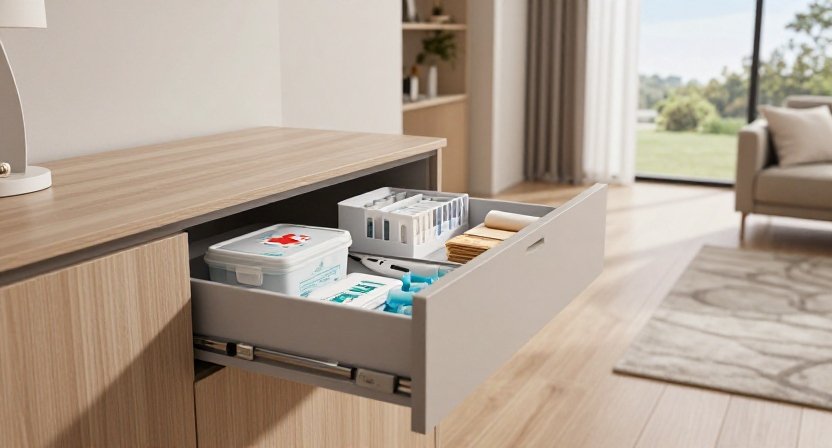
A realistic first aid approach focuses on common, everyday needs rather than extreme scenarios.
The purpose of a first aid kit is to support:
-
Minor cuts and scrapes
-
Basic wound care
-
Pain or fever management
-
Temporary stabilization while professional care is accessed
Preparedness improves when supplies are familiar and routinely used. Items that require training, confidence, or judgment beyond your experience tend to create hesitation or mistakes under stress.
Simple, well-understood tools are more effective than complex kits that look impressive but go unused.
Knowing how and when to use what you have matters more than having more.
Knowing the Limits Is Part of Being Prepared
One of the most overlooked aspects of medical preparedness is restraint.
Attempting advanced care without training increases risk. Overconfidence causes harm more often than inaction. Preparedness includes knowing when not to act.
This means:
-
Recognizing symptoms that require professional evaluation
-
Avoiding interventions beyond personal training or scope
-
Seeking help early instead of waiting too long
-
Understanding that support is not the same as treatment
Preparedness supports good judgment. It does not replace professional care.
Clear decision-making is one of the most important medical tools available during disruptions.
Medical Information and Communication
During emergencies or system disruptions, information gaps often create as much risk as supply shortages.
Medical preparedness includes:
-
Keeping written health information accessible
-
Documenting conditions, medications, allergies, and relevant history
-
Ensuring information can be shared clearly if needed
When stress is high, memory becomes unreliable. Written information reduces confusion and helps others provide appropriate assistance when required.
Preparedness is not about memorization. It is about accessibility.
Medical Preparedness Is Ongoing Maintenance
Medical preparedness is not a one-time task.
Health needs evolve. Medications change. Supplies expire. Circumstances shift.
Maintaining readiness involves:
-
Periodic review of medical supplies
-
Updating medication lists
-
Adjusting plans as household needs change
-
Removing expired or unnecessary items
This is maintenance, not escalation.
Routine upkeep is more effective than reactive preparation.
Preparedness works best when it blends into normal life rather than standing apart from it.
The Takeaway
Medical preparedness is about reducing vulnerability, not replacing professionals.
It focuses on continuity, clarity, and restraint. Calm preparation keeps routine problems from becoming emergencies and supports better outcomes when access to care is delayed.
At ReadyLedger, medical readiness means realism, responsibility, and consistency applied over time.
Disclaimer
This content is provided for general informational and educational purposes only and does not constitute medical advice, diagnosis, or treatment.
It is not a substitute for professional medical care or the guidance of a licensed healthcare provider. Always seek the advice of a qualified medical professional regarding medical conditions, medications, or treatment decisions.
In the event of a medical emergency, contact local emergency services immediately.