

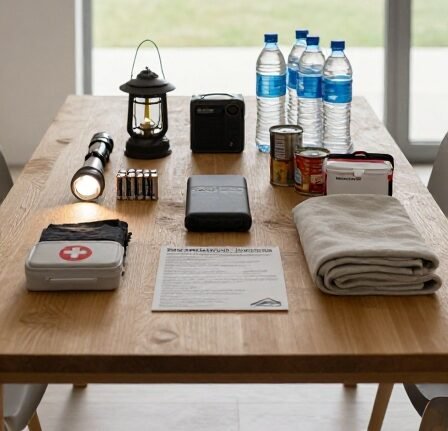
Staying Safe at Home During an Emergency
When emergencies disrupt normal life, the safest place is often your own home. Severe weather, power outages, infrastructure failures, or public safety incidents can make travel risky and unnecessary.
Bugging in means staying put and relying on preparation, familiarity, and simple systems to remain safe and functional until conditions improve. It does not require extreme measures or specialized gear. It requires clarity, organization, and realistic planning.
These ten tips outline a practical approach to bugging in that works for everyday households.
1. Know Who You Are Preparing For
Before thinking about supplies, identify everyone in your household.
This includes:
Adults
Children
Older family members
Pets
Each person has different needs. Children may require familiar foods and activities. Older adults may depend on medication or mobility assistance. Pets rely entirely on their owners for food, water, and care.
Preparedness works best when plans are built around real people, not assumptions.
2. Understand the Risks Where You Live
Every location faces different emergency risks.
Consider your area:
Severe winter weather or blizzards
Hurricanes or flooding
Extreme heat
Earthquakes or wildfires
Knowing the most likely disruptions helps you prepare appropriately. Emergency management agencies often publish local hazard information that can guide planning.
Preparedness is most effective when it matches your actual environment.
3. Treat Your Home as Your Primary Shelter
During a bug-in situation, your home is your main layer of protection.
Take time to understand:
Entry points such as doors and windows
Lock quality and functionality
Lighting access
Ventilation options
A secure, familiar home reduces risk and improves confidence, especially during power outages or limited visibility.
4. Build a Simple Emergency Food Plan
Food planning does not require special diets or survival meals.
A practical approach focuses on:
Shelf-stable foods
Familiar meals
Easy preparation
A common starting goal is two weeks of food per person, using items your household already eats, such as canned meals, dry staples, and shelf-stable proteins.
Rotate food regularly to keep it fresh and familiar.
5. Plan Water First, Then Plan More Water
Water is the most critical resource in any emergency.
A widely used guideline is:
1 gallon of water per person per day
This supports drinking, food preparation, and basic hygiene.
Store water in sealed containers, protected from heat and sunlight, and accessible without power. If possible, plan for more than the minimum.
6. Prepare for Power Loss
Power outages are common during emergencies.
Focus on:
Lighting
Communication
Device charging
Useful items include:
Flashlights or lanterns
Portable power banks
Battery-powered or hand-crank radios
Use power intentionally and conserve batteries early rather than waiting until devices are nearly depleted.
7. Maintain Basic Hygiene and Sanitation
Hygiene is essential for preventing illness during extended disruptions.
Key priorities include:
Handwashing with soap and water
Clean food preparation surfaces
Waste management
Even simple systems reduce health risks and help maintain morale when conditions are stressful.
8. Manage Indoor Temperature Safely
Extreme temperatures increase risk during emergencies.
In cold conditions:
Dress in layers
Use blankets and shared spaces
In hot conditions:
Block sunlight during the day
Ventilate at night
Stay hydrated
Never use fuel-burning devices indoors without ventilation. Carbon monoxide detectors add an important safety layer.
9. Keep Security Simple and Practical
Most emergencies do not lead to crime, but basic awareness matters.
Simple steps include:
Locking doors and windows
Securing outdoor equipment
Staying aware of your surroundings
A calm, occupied household is often less vulnerable than one that appears unprepared or vacant.
10. Focus on Systems, Not Perfection
Preparedness is most effective when it is:
Manageable
Familiar
Easy to maintain
Large stockpiles without organization are less useful than smaller, well-understood systems. Review and adjust your setup periodically based on experience.
Preparedness improves through practice, not panic.
Final Thoughts
Bugging in is not about extreme scenarios or fear-driven planning. It is about recognizing that, in many emergencies, staying home is the safest and most practical option.
With a clear plan for food, water, shelter, and basic needs, most households can handle disruptions calmly and confidently.
Preparedness is not about expecting the worst.
It is about making interruptions easier to manage when they happen.