

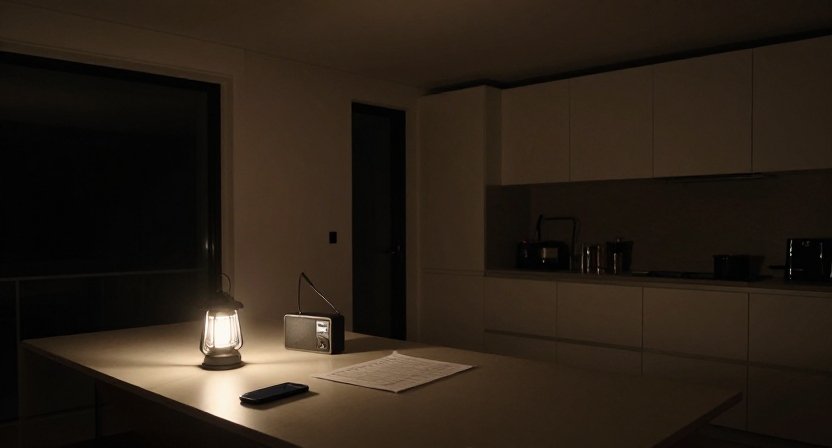
What to Do During the First 24 Hours of a Power Outage
Disclaimer Content on ReadyLedger is provided for general informational and educational purposes only. It does not constitute professional, medical, legal, or emergency advice. Always follow guidance from local authorities and utility providers during emergencies. In situations involving immediate danger, contact local emergency services.
Power outages can happen without warning. A storm rolls through, the grid overloads, or infrastructure fails unexpectedly. One moment everything is normal, and the next your home is silent and dark.
Knowing what to do during the first 24 hours of a blackout can make the difference between calm control and unnecessary stress. With a clear mindset and a few practical steps, most households can remain safe, comfortable, and informed until power is restored.
This guide covers the most important actions to take during a power outage, including safety checks, communication, food and water management, lighting, temperature control, and maintaining morale.
What to Do Immediately When the Power Goes Out
When the power goes out, pause before reacting. Take a moment to assess your surroundings and avoid rushing into unnecessary actions.
Pay attention to anything unusual:
Electrical popping or crackling sounds
Visible sparks from outlets or appliances
Burning or chemical smells
If you notice signs of electrical damage, do not flip switches or plug in devices. Turning power back on improperly can cause surges or fires.
If your home uses natural gas, be alert for the smell of rotten eggs. Even a faint odor may indicate a gas leak. If you smell gas:
Leave the house immediately
Avoid using open flames or electrical switches
Contact the gas company or emergency services from outside
Check on everyone in your household, especially children, older adults, or anyone who relies on medical equipment. Gather flashlights, phones, radios, and first aid supplies in one central location to reduce confusion.
Safety Checks During a Blackout
Safety should be the first priority during a power outage. Walk through your home carefully and identify any immediate hazards.
Make sure pathways are clear to prevent trips and falls. Keep emergency lighting nearby and avoid moving through dark spaces without illumination. If candles are used, place them on stable surfaces away from curtains, pets, and children, and never leave them unattended.
Keep a fire extinguisher accessible, as fire risk increases during outages due to open flames and alternative cooking methods.
How to Preserve Phone Battery and Communication
Blackouts can strain cell networks, especially during widespread outages. Your phone remains a critical tool, but battery life matters.
To conserve power:
Enable low-power mode
Close unnecessary apps
Reduce screen brightness
Text instead of calling when possible
If you have a vehicle, you can recharge devices using a car charger, but avoid draining the car battery completely.
A battery-powered or hand-crank radio is extremely useful. Local stations often provide updates on outage causes, estimated restoration times, and nearby hazards. Checking periodically keeps you informed without draining batteries.
Checking in with neighbors can also provide information and support, especially if someone nearby needs assistance.
Safe Lighting Options During a Power Outage
Lighting is one of the first practical needs during a blackout.
Safe lighting options include:
Flashlights
Lanterns
Headlamps
Headlamps are especially helpful because they leave your hands free. Lanterns provide broader room lighting and reduce the need for multiple light sources.
If you have solar garden lights, bring them indoors at night for temporary lighting and return them outside during the day to recharge.
To conserve supplies, limit lighting to one or two shared rooms rather than illuminating the entire home.
How to Keep Food Cold Without Power
Food safety is a major concern during power outages.
The most important rule is simple: keep refrigerator and freezer doors closed.
A closed refrigerator can stay cold for several hours
A full freezer can remain cold for up to 48 hours
If you must open the refrigerator, decide what you need ahead of time and retrieve everything at once.
Use perishable foods first, especially meat and dairy. If you can safely cook food early in the outage, it is often better than letting it spoil.
Frozen water jugs or ice packs can be moved from the freezer to the refrigerator to help maintain cold temperatures.
If food smells questionable or has been exposed to unsafe temperatures, discard it. Foodborne illness during a blackout adds unnecessary risk.
Water Storage and Safety During a Blackout
Water often continues to flow during power outages, but not always. Homes that rely on electric pumps or private wells may lose water quickly.
If an outage appears likely to last:
Fill clean containers immediately
Fill bathtubs, pitchers, and bottles
Store water for drinking, cooking, hygiene, and toilet flushing
If water quality becomes uncertain, purification options include:
Boiling water for at least one minute
Using purification tablets
Using unscented household bleach in proper ratios
Conserve water whenever possible. Sponge baths, reusing water for flushing, and maintaining basic hygiene help prevent larger problems.
Managing Heat or Cold Without Electricity
Blackouts are more difficult during extreme temperatures.
Cold Weather
Dress in layers
Wear hats and thick socks indoors
Gather everyone in one room to conserve body heat
Use blankets or hang fabric over doorways to reduce drafts
Hot Weather
Close curtains during the day to block sunlight
Open windows at night if outdoor temperatures drop
Use battery-powered fans if available
Stay hydrated and use damp cloths to cool the body
Never use grills, generators, or fuel-burning devices indoors without proper ventilation. Carbon monoxide buildup can occur quickly and is extremely dangerous. Battery-powered carbon monoxide detectors add an important layer of safety.
Home Security During Power Outages
Most blackouts do not involve crime, but basic awareness is still important.
Lock doors and windows
Use window stops if windows must remain open for airflow
Secure outdoor equipment such as generators
Check in with neighbors when possible
A connected neighborhood is often safer and more resilient than isolated households.
Tools and Supplies to Use in the First 24 Hours
Simple tools can solve many small problems during a blackout:
Flashlights and extra batteries
Multi-tools or basic hand tools
Duct tape and plastic sheeting for drafts or minor fixes
If you have a generator, understand its capacity and operate it outdoors according to manufacturer instructions.
Portable power banks and power stations can keep essential devices running even if they cannot power major appliances.
Unplug sensitive electronics to protect them from power surges when electricity returns. A battery backup or UPS allows computers to shut down safely.
Maintaining Morale During a Blackout
The psychological side of a blackout matters more than many people expect.
Play board games or cards
Read by lantern or flashlight
Talk, share stories, and involve children in small tasks
Establishing a simple routine helps restore a sense of normalcy. Calm leadership and patience go a long way during stressful situations.
What to Do If the Power Outage Lasts More Than 24 Hours
If power does not return within a day:
Take inventory of food, water, and fuel
Begin rationing if needed
Monitor radio updates for shelter or aid information
Coordinate with neighbors to share resources
For medical needs, hospitals and some facilities maintain backup power. Reach out if refrigeration-dependent medications or medical devices are involved.
If water service fails, sanitation becomes critical. Temporary waste solutions, while unpleasant, are safer than unsanitary conditions.
What to Learn After the Power Comes Back On
Once electricity is restored, take note of what worked and what did not.
You may discover the need for:
More lighting options
Additional water storage
Easier-to-prepare foods
Backup power for small devices
Preparedness improves most when it is built gradually from real experience rather than panic.
Final Thoughts
Blackouts disrupt routines, but they do not have to create panic. With a clear plan and practical steps, most households can navigate the first 24 hours of a blackout safely and calmly.
Preparedness is not about fear. It is about reducing friction when normal systems pause.
A little planning today makes the next power outage far easier to handle.